
Uluru is a place of deep cultural significance to Anangu, its Traditional Owners. Uluru-Kata Tjuta National Park is jointly managed by Anangu and Parks Australia. A day trip is a short visit, but the same rules apply to every visitor. This guide covers the practical side: following park rules, respecting sensitive places and leaving the desert as you found it.

We specialise in one-day Uluru tours. Our job is to help you find and book a day trip without having to organise a multi-day trip.
We are not an Aboriginal-owned business. We don’t represent Anangu Traditional Owners, and we don’t offer or claim to provide authorised Aboriginal cultural experiences. If you want to learn about Anangu culture, go to sources that Anangu and Parks Australia provide, not to a booking business.
When you enquire about a tour, we’ll tell you who operates it and what it includes. We won’t describe cultural content we can’t confirm.
Climbing Uluru has been permanently closed since October 2019, in line with the wishes of Traditional Owners. Walk around the base on marked tracks instead.
Some parts of Uluru are culturally sensitive. Signs show where photography or filming isn’t allowed and where you can’t go. Follow them, and don’t share images of restricted areas.
Keep to marked walking tracks and viewing areas. If a track is closed, that’s the end of the walk. Listen to rangers and your tour operator.
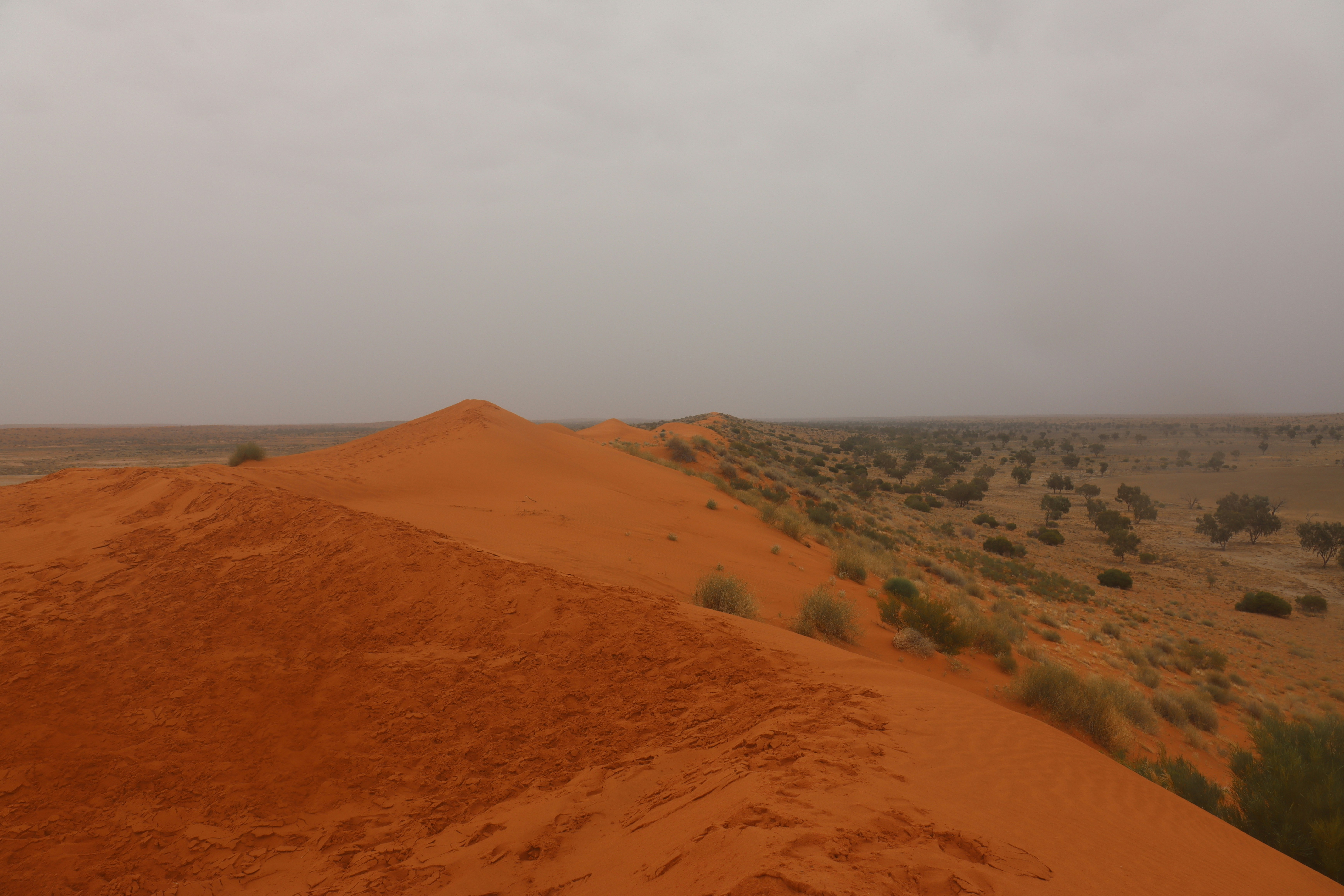
The desert country around Uluru is fragile. Protecting it is part of visiting with respect.
Visitors need a park pass to enter Uluru-Kata Tjuta National Park. Check whether a tour includes it before you book. Our planning checklist covers this.
Rules and closures can change. Before your visit, read the official information for Uluru-Kata Tjuta National Park on the Parks Australia website. It covers park passes, sensitive sites, track closures and visitor safety.
Commercial tours in the park generally need appropriate permits and must follow Parks Australia regulations, including those that protect the environment and Anangu cultural heritage. When you book through us, ask who operates your tour.
Related reading
Uluru (Ayers Rock): A Respectful Visitor’s Guide
Uluru-Kata Tjuta National Park
Kata Tjuta: Background for Visitors
Sunrise, Sunset and Conditions at Uluru
Planning a day trip? Send us an enquiry and we’ll help you find a one-day tour and confirm its details.