
Kata Tjuta sits west of Uluru in the same national park, and many visitors want to know about it. This guide gives background for the trip. It doesn’t describe any tour’s itinerary. Whether Kata Tjuta is part of a particular one-day Uluru tour is something to confirm before you book.
Is Kata Tjuta on the itinerary? Ask for it in writing for the tour you’re considering.
Is it a viewing stop or a walk? Seeing the domes from a lookout and walking among them are very different visits.
Are any tracks closed on your date? Check current track status with Parks Australia close to your trip.
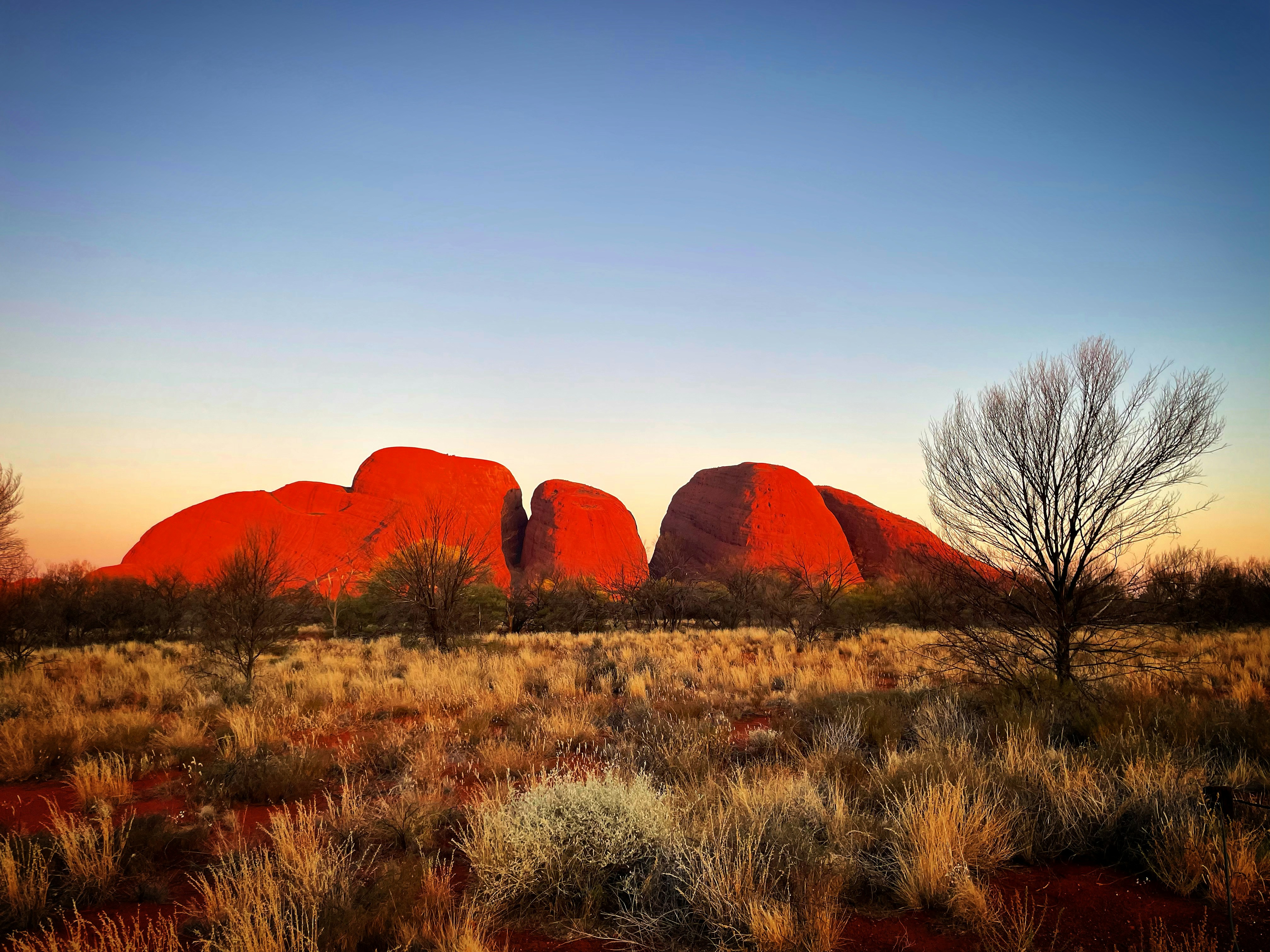
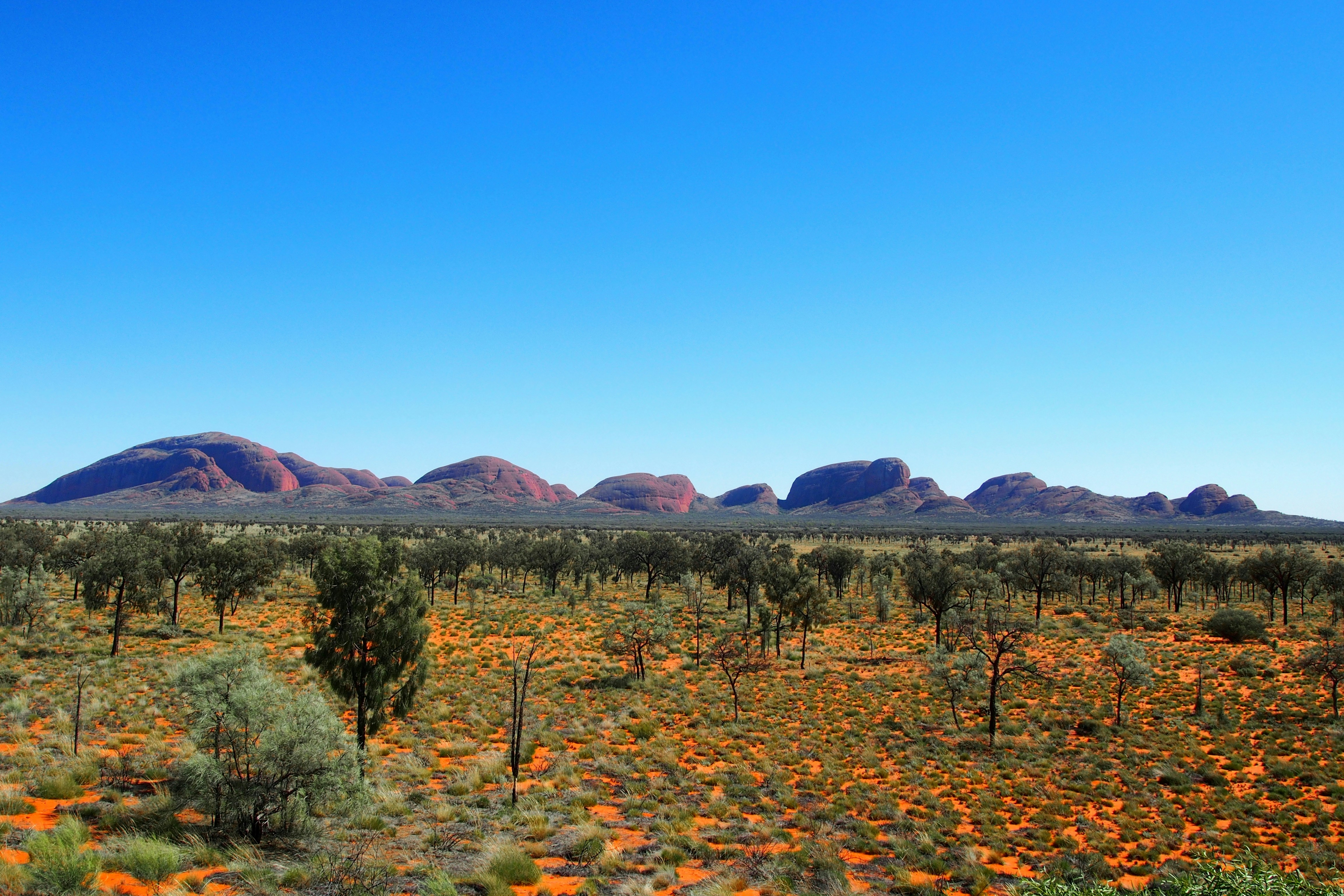
Kata Tjuta is a group of large, domed rock formations rising from the plain to the west of Uluru. Its Anangu name translates as ‘many heads’, a fair description of the rounded domes seen from a distance.
Kata Tjuta and Uluru are both in Uluru-Kata Tjuta National Park. The park is jointly managed by Anangu Traditional Owners and Parks Australia, and it’s World Heritage listed for both its natural and cultural values. For more on the landscape between the two, read The Red Centre: Landscapes Around Uluru.
Source: Parks Australia
Kata Tjuta is of deep cultural significance to Anangu. Much of the knowledge tied to it is not public, and visitors aren’t told its stories in detail. That’s by design, and the best response is to accept it rather than look for the details elsewhere.
In practice, visiting with respect means:
We’re not Anangu and don’t speak for Traditional Owners. For general guidance, see Respecting Anangu Culture and Country, and check Parks Australia’s official visitor information before you travel.
Source: Parks Australia
The park has marked walks at Kata Tjuta, including Walpa Gorge and the Valley of the Winds. Tracks or sections of them can close, for example in hot weather or for safety reasons, so check current status with Parks Australia close to your date. What’s open on a given day isn’t guaranteed.
The Red Centre can be very hot and dry. Carry water, wear sun protection and good footwear, and listen to guidance on the day. Weather, light and wildlife are never certain. Our guide to Sunrise, Sunset and Conditions at Uluru explains what to expect.
Source: Parks Australia
We specialise in one-day Uluru tours and help you find and book a day that suits. If Kata Tjuta matters to you, tell us in your enquiry. We’ll then check whether it’s part of the tour options you’re considering, and what that includes, before you commit.