Home  /  Uluru Travel Guides  /  The Red Centre
BEFORE

The Red Centre,
all around Uluru.

A landscape guide for inspiration,
not an itinerary for any tour.

Uluru gets the attention, but the country around it is part of what makes a day in Central Australia feel so different from anywhere else. This piece looks at what surrounds Uluru: the red sand, the spinifex, the trees and the wide sky. Knowing what you’re looking at helps you get more from a short visit.

WHAT THIS COVERS

General background on the landscapes of Central Australia around Uluru, in plain English. It’s for planning and inspiration, so you know what to look for on the day.

WHAT TO CONFIRM

Which places a particular one-day Uluru tour visits, and what’s included. Our planning checklist covers the questions to ask.

MORNING

Red sand,
spinifex country

and how it looks depends
on the season and recent rain.

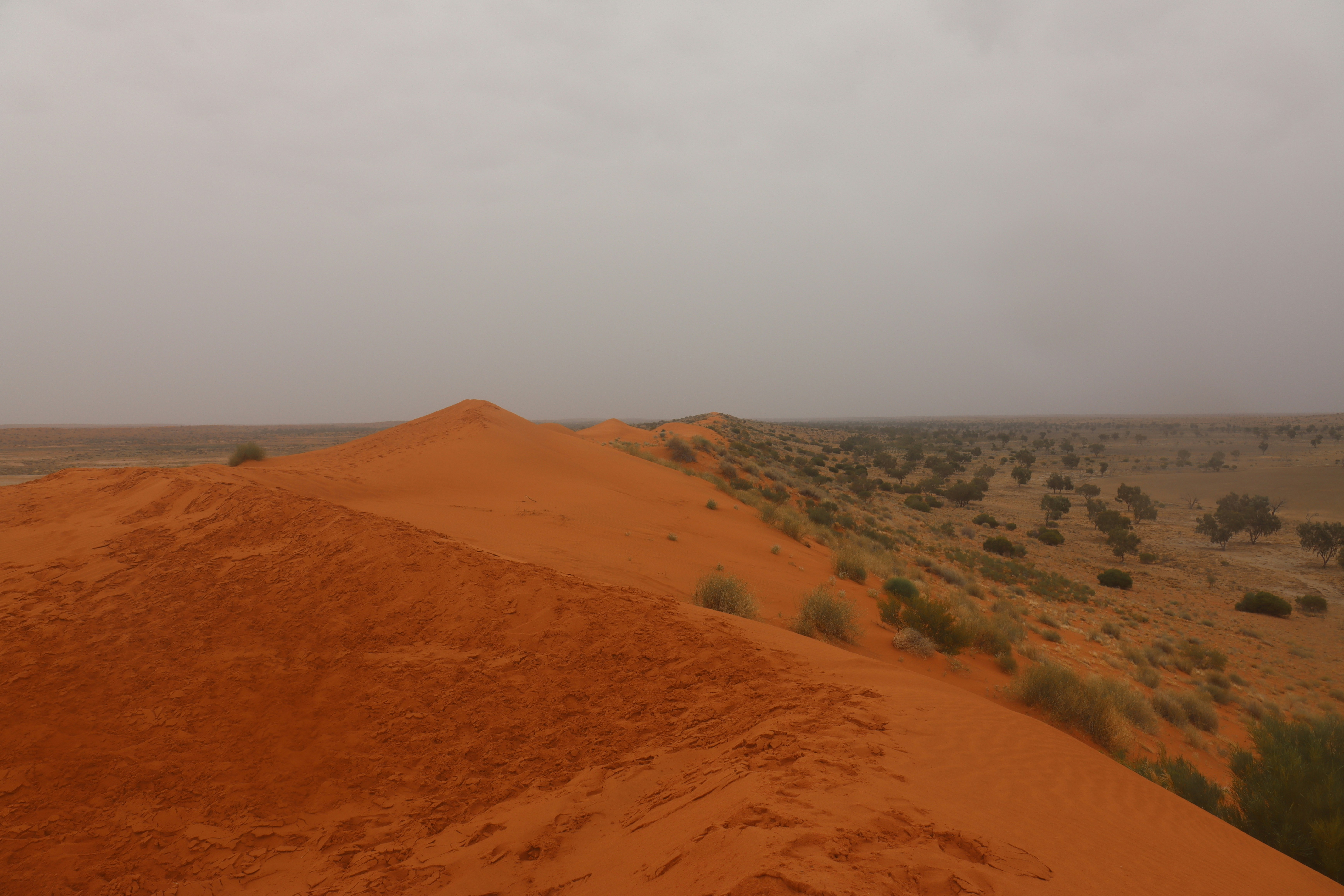
The first thing most visitors notice is the colour of the ground. The red of the Red Centre comes largely from iron oxide coating the grains of sand, which is why the soil can look rust-red, orange or almost purple as the light changes.

Across much of the sand plain you’ll see spinifex: rounded, spiky hummock grasses that hold the sand in place. From a distance they read as soft grey-green clumps; up close they’re sharp, so it’s best admired rather than touched. Between the hummocks, wind leaves ripples and small tracks in the sand.

After rain, this country can change quickly, with green growth and wildflowers appearing where there was bare sand. In dry periods it looks sparser. Neither is better, and neither can be predicted for a given day.

Several eucalyptus trees and dry grasses stand against the steep red rock face of Uluru beneath a clear blue sky.
Reference photo: trees and grasses near the base of Uluru.
MIDDAY

Trees on
the sand plain

few and far between,
which makes each one stand out.

Desert oaks are one of the region’s best-known trees. Young ones are thin and upright, while older trees spread into a broad, shady crown. Against a clear blue sky, their dark, drooping foliage is easy to pick out on the dunes.

Closer to Uluru, where run-off from the rock collects, you’ll often see eucalypts and denser grasses growing along the base. That contrast between the bare rock face and the green at its foot is worth slowing down for.

For more on Uluru itself, read our respectful visitor’s guide.

AFTERNOON

Sand, rock
and sky

the colours shift through the day,
and no particular view is guaranteed.
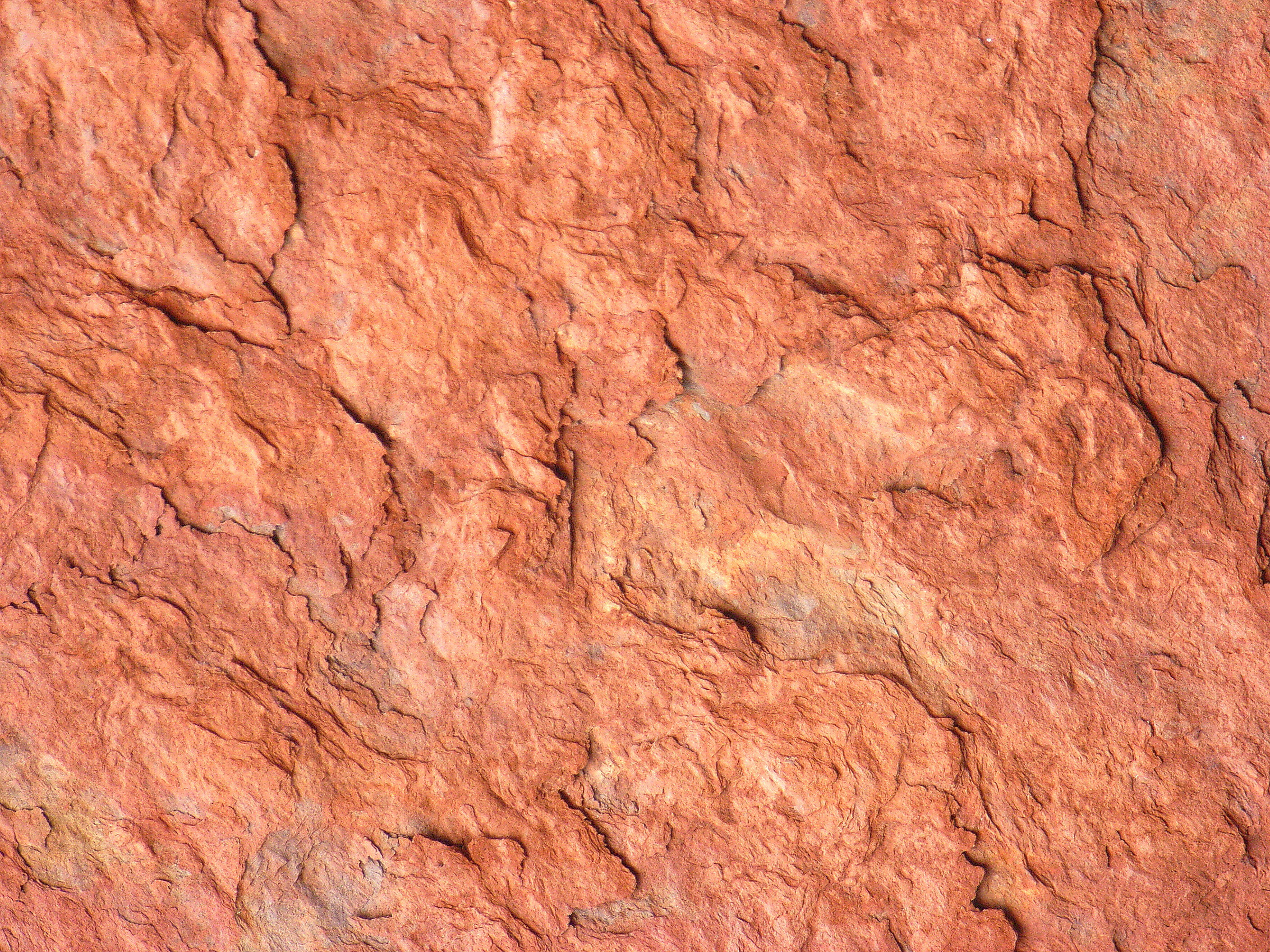
A close-up view of Uluru's warm red-orange, heavily weathered rock surface, showing cracks, ridges and rough texture.
Reference photo: Uluru’s weathered rock surface, seen up close.
ROCK
Smooth from afar,
textured up close.

From a distance, Uluru looks smooth. Closer in, you’ll see caves, ridges and water stains across the surface. Some places are culturally sensitive, so follow the signs about photography.

SAND

Look down as well as out. Wind ripples, animal tracks and the change from red dune to paler swale tell you a lot about how this country works.

SKY

The sky takes up much of the view here. Cloud, haze or clear blue all change how the land looks, and none of it can be predicted for a given day. Read about sunrise, sunset and conditions.

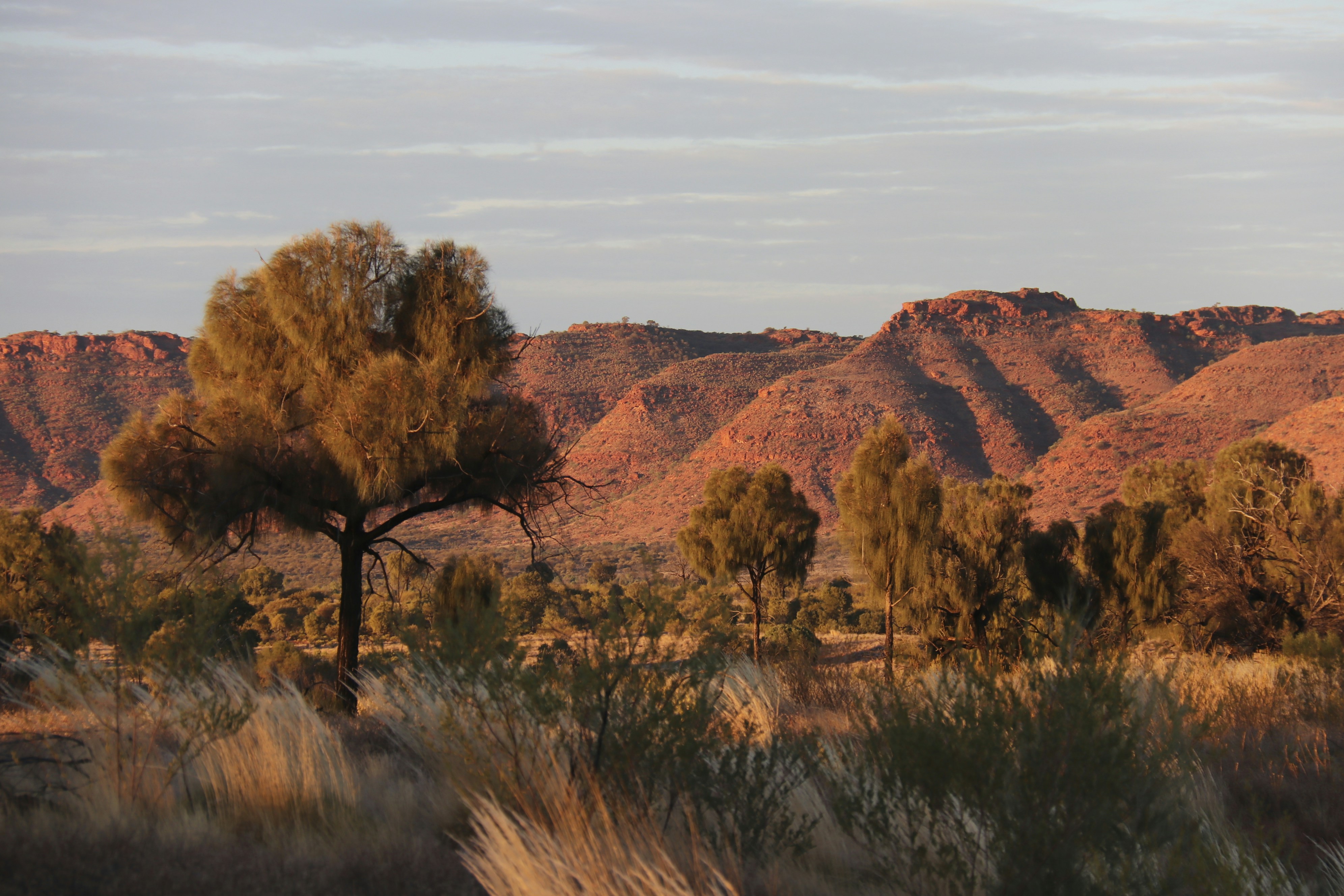
Wide desert landscape with red rocky ridges and escarpments, scattered arid trees, and sunlit grasses beneath a cloudy sky.
Reference photo: cloud over red ridges in Australia’s arid interior.
AFTER

Seeing it
in one day

what’s included gets
confirmed before you book.

We specialise in one-day Uluru tours, so you can see this country without organising a multi-day trip. Every tour is different, though. Before you book, check:

  • which places the tour visits, including whether Kata Tjuta is part of it
  • whether national park entry fees are included
  • timings, inclusions and who operates the tour
  • the booking and cancellation terms

Uluru-Kata Tjuta National Park is Anangu Country, and Parks Australia rules apply to every visitor. Stay on marked tracks, take your rubbish with you and leave plants, sand and rocks where they are. Our guide to respecting Anangu culture and Country has more detail.